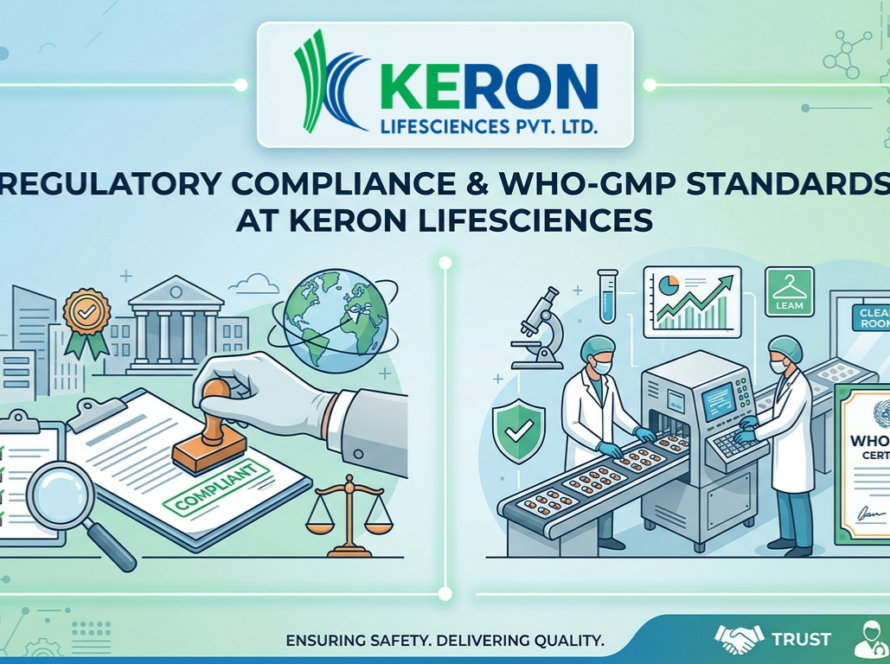
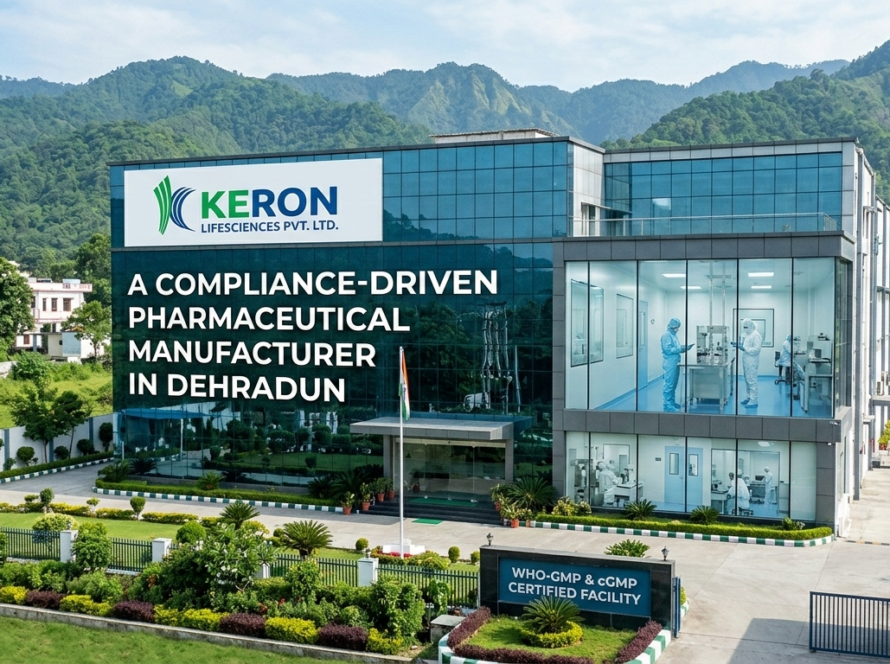
Uttarakhand has emerged as a significant pharmaceutical manufacturing hub over the past decade, attracting national and international companies due to favorable policies, robust infrastructure, and a supportive regulatory ecosystem. The state’s pharmaceutical industry is recognized for its commitment to compliance, quality assurance, and adherence to global manufacturing standards.
Among the companies contributing to this growth, Keron Lifesciences has established itself as a reliable manufacturer committed to regulatory excellence and quality-driven production systems.
This article explores the regulatory framework governing the sector, the importance of licensed and audited production systems, and the best practices that define manufacturing excellence in the region.
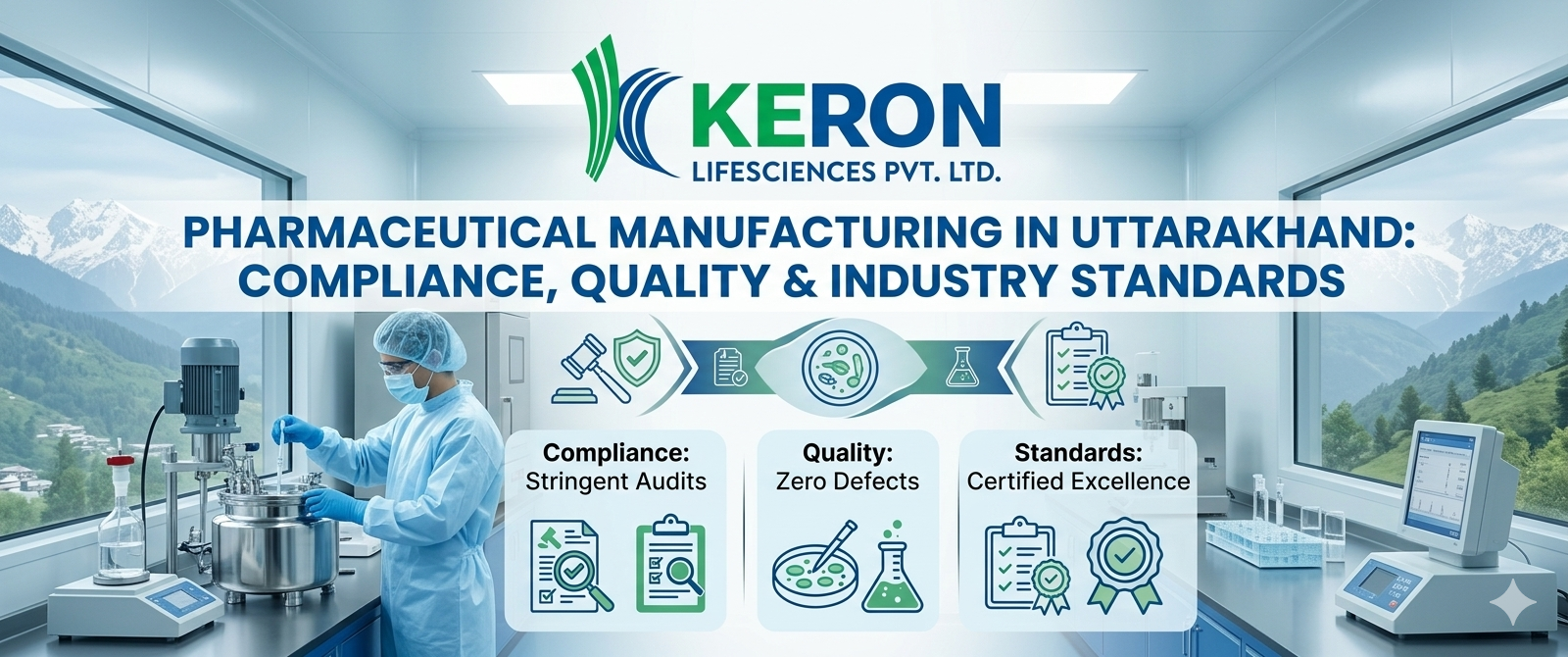
Regulatory Framework Governing Pharmaceutical Manufacturing
The foundation of pharmaceutical manufacturing in Uttarakhand rests on strict adherence to national and international regulations. Companies operating in the state must comply with:
- The Drugs and Cosmetics Act, 1940 – India’s primary pharmaceutical legislation
- Good Manufacturing Practices (GMP) – Standard operational protocols
- WHO-GMP Standards – World Health Organization guidelines for quality manufacturing
- ISO Quality Certifications – International quality management standards
These regulatory requirements ensure that medicines manufactured in the region meet rigorous safety, efficacy, and quality benchmarks. The state government’s supportive industrial policies have encouraged pharmaceutical growth, particularly in industrial zones like Dehradun, Haridwar, and Rudrapur.
Keron Lifesciences operates in Dehradun with full regulatory compliance, following quality control protocols at every stage from raw material sourcing to final product distribution ensuring complete transparency and traceability.
The Critical Role of Licensed and Audited Production Systems
In pharmaceutical manufacturing, licensing and regular audits serve as essential safeguards rather than mere formalities. A manufacturing license confirms that a facility meets structural, technical, and safety standards mandated by regulatory authorities.
Why Audits Matter
Regular internal and external audits maintain operational discipline and regulatory alignment through:
- Periodic facility inspections
- Documentation verification and review
- Batch record maintenance and traceability
- Quality testing and validation procedures
Uttarakhand’s pharmaceutical sector has built a strong reputation because companies prioritize licensed and audited systems. Manufacturers in Dehradun operate with validated equipment, controlled environments, and trained technical teams to prevent cross-contamination and maintain product integrity.
Keron Lifesciences integrates comprehensive quality assurance frameworks into its operations, ensuring every product undergoes multiple inspection levels. This commitment builds trust among healthcare professionals and distributors nationwide.
Industry Best Practices for Maintaining Compliance
Maintaining compliance requires continuous improvement and adaptation to evolving standards. Leading pharmaceutical companies implement these best practices:
1. Comprehensive Quality Control (QC) and Quality Assurance (QA)
Quality control laboratories test raw materials, in-process samples, and finished products using advanced analytical instruments. This ensures products meet predefined specifications before market release.
2. Standard Operating Procedures (SOPs)
Clear documentation and SOPs guide each production step. This structured approach minimizes human error and maintains consistency across manufacturing processes.
3. Skilled Workforce and Continuous Training
Regular staff training keeps employees updated on regulatory changes and technological advancements. In Dehradun’s competitive pharmaceutical landscape, operational excellence depends on a well-trained workforce.
4. Modern Manufacturing Infrastructure
Advanced machinery and automated systems reduce contamination risks while improving efficiency. Uttarakhand’s industrial zones offer reliable utilities, logistics support, and connectivity factors that boost the state’s pharmaceutical sector.
5. Specialized Product Segments
The region has also developed expertise in producing nutraceuticals and health supplements. Many companies have established facilities in Uttarakhand to manufacture multivitamin formulations that meet both domestic and international standards.
Keron Lifesciences produces high-quality multivitamin products, emphasizing formulation accuracy and packaging integrity to serve health-conscious consumers.
Growth Trajectory of Uttarakhand’s Pharmaceutical Sector
The pharmaceutical industry’s rapid expansion in Uttarakhand stems from several factors:
Tax Incentives: State policies that reduce operational costs
Industrial Infrastructure: Well-developed manufacturing zones with modern facilities
Strong Regulatory Enforcement: Consistent monitoring ensures quality standards
Strategic Location: Easy access to North Indian markets improves supply chain efficiency
Dehradun has become a particular hotspot for pharmaceutical investment, housing several established manufacturers and emerging companies.
With increasing demand for quality medicines and health supplements, pharmaceutical manufacturing in Uttarakhand continues scaling new heights. Companies producing nutraceuticals are leveraging regional infrastructure to enhance production capacity and meet growing health awareness trends.
Keron Lifesciences: A Case Study in Manufacturing Excellence
Keron Lifesciences represents the evolving standards of pharmaceutical manufacturing in Uttarakhand through:
WHO-GMP Compliant Facilities: Manufacturing operations that meet international quality standards
Experienced R&D Teams: Continuous innovation in product development and formulation
Stringent Quality Systems: Multi-level quality checks ensuring product safety and efficacy
Ethical Practices: Transparent operations and responsible marketing
Audit Readiness: Comprehensive documentation and proactive compliance monitoring
The company’s diversified portfolio includes formulations across therapeutic categories, reflecting a balance of innovation and regulatory compliance. As a Dehradun-based manufacturer, Keron Lifesciences contributes to the region’s reputation for quality pharmaceutical production.
Looking Ahead
The future of pharmaceutical manufacturing in Uttarakhand looks promising, shaped by strict regulatory frameworks, licensed production systems, and adherence to global quality standards. The state’s pharmaceutical industry continues thriving due to responsible manufacturers who prioritize both compliance and innovation.
As healthcare needs evolve and quality expectations rise, Uttarakhand’s pharmaceutical sector is well-positioned to meet these challenges. Companies like Keron Lifesciences demonstrate that regulatory excellence and business growth can go hand in hand, building a sustainable foundation for the industry’s continued expansion.
The combination of supportive government policies, strategic location advantages, and a commitment to quality manufacturing positions Uttarakhand as a key player in India’s pharmaceutical landscape for years to come.