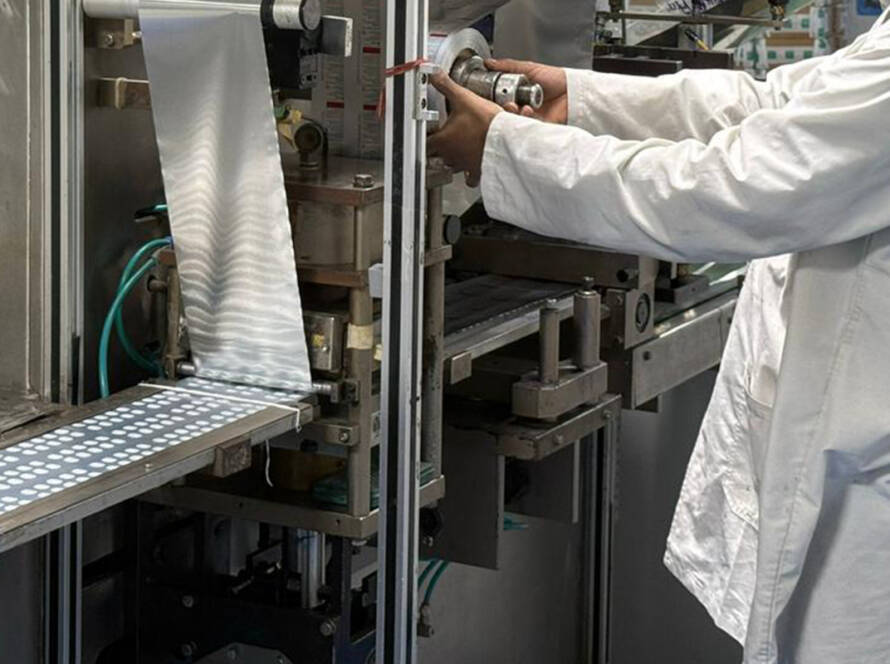
How Keron Lifesciences Maintains Pharmaceutical Quality and Compliance
Keron Lifesciences upholds Pharmaceutical quality through a structured and integrated approach that combines rigorous processes skilled personnel, advanced testing methods, documentation, regulatory awareness, and continuous improvement. For pharmaceutical companies, choosing a manufacturing partner with a structured quality and compliance approach is an important part of ensuring consistent production and dependable supply. Keron Lifesciences maintains a quality-focused approach to pharmaceutical manufacturing, with attention to standard operating procedures, quality control, regulatory requirements, documentation, manufacturing processes, and ongoing operational improvement.
Every stage of manufacturing is guided by well-defined standard operating procedures and robust quality control measures, ensuring that products consistently meet regulatory requirements. Comprehensive documentation practices strengthen transparency and traceability, while ongoing training keeps teams aligned with evolving industry standards. Beyond compliance, Keron Lifesciences fosters a culture of continuous improvement—regularly refining processes to enhance efficiency, reliability, and patient safety. This commitment to excellence makes Keron a dependable partner for pharmaceutical companies seeking consistent production and assured supply.
Keron Lifesciences and Pharmaceutical Quality Management
Keron Lifesciences is a pharmaceutical contract manufacturing organization based in Dehradun, Uttarakhand, India. The company offers pharmaceutical manufacturing services, including formulation development, technology transfer, process scale-up, regulatory support, and contract manufacturing, ensuring efficient product development and seamless market readiness. Driven by a commitment to quality and regulatory excellence, the company strives to maintain high manufacturing standards while fostering trusted partnerships with its customers.
A robust pharmaceutical quality system management system provides the foundation for controlling manufacturing activities and ensuring product consistency maintaining regulatory compliance and supporting continuous improvement across operations. It connects procedures, personnel, documentation, testing, equipment, materials, production processes, and corrective actions into an organized system. Keron Lifesciences’ quality-focused approach is designed to support controlled manufacturing and compliance throughout the product lifecycle.
Standard Operating Procedures at Keron Lifesciences
Qualified Personnel and Training
Qualified personnel are a critical component of pharmaceutical quality system contributing to process reliability, regulatory compliance and the consistent delivery of quality products.
Keron Lifesciences emphasizes people and safety as part of its organizational values. Training and awareness help personnel understand applicable procedures, manufacturing requirements, documentation practices, quality expectations, and safety responsibilities. Continuous employee development also supports a quality culture in which manufacturing standards are treated as part of everyday operations.
Raw Material Quality Control
The quality, safety, and consistency of pharmaceutical products are closely linked to the quality of materials used during manufacturing, making effective material control an essential component of pharmaceutical quality management. Raw materials and packaging materials components are managed through defined specifications supplier qualification programmes documentation controls, identification procedures, and quality testing processes before their use in manufacturing operations.
Supplier Qualification and Material Management
Pharmaceutical manufacturing always requires a reliable, GMP-compliant supply chain. Qualified suppliers of raw materials, packaging components, and other inputs directly support consistent product quality and process performance.
Supplier qualification is therefore an important quality activity. A structured supplier management process can involve reviewing supplier information, specifications, quality documentation, performance, and compliance requirements. Keron Lifesciences incorporates supplier controls into its broader quality-focused manufacturing approach, helping establish greater control over the materials entering its production processes.
Controlled Manufacturing Processes
Consistent pharmaceutical products require
Consistent pharmaceutical products require controlled, validated, and reproducible manufacturing processes. Production activities need to be performed according to approved procedures and defined manufacturing requirements.
Keron Lifesciences focuses on controlled manufacturing processes supported by documented procedures, equipment controls, quality checks, and production records. These practices help manufacturing teams maintain consistency between batches and provide documented evidence of production activities.
Process controls are particularly important when manufacturing products at commercial scale because even small variations can potentially affect product quality. Controlled procedures and appropriate monitoring therefore form an important part of pharmaceutical manufacturing quality management.
Equipment Qualification and Process Validation
Pharmaceutical manufacturing equipment must be suitable for its intended use and maintained appropriately. Equipment qualification and process validation help demonstrate that manufacturing systems and processes can consistently perform as expected.
Validation activities may include assessing equipment, processes, cleaning procedures, analytical methods, and other critical manufacturing systems. Keron Lifesciences’ quality framework includes validation and process-control principles as part of its pharmaceutical manufacturing approach.
The purpose of validation is not simply to create documentation. It provides evidence that important manufacturing activities are controlled and capable of producing consistent results under defined conditions.
In-Process Quality Monitoring
Quality control continues throughout the manufacturing process. In-process monitoring provides opportunities to evaluate critical stages before production is completed.
Depending on the product and manufacturing process, in-process checks Shall include monitoring process parameters, sampling materials, evaluating physical characteristics, checking production conditions, and reviewing manufacturing records. Keron Lifesciences incorporates in-process quality monitoring into its broader approach to pharmaceutical quality control.
Early identification of deviations or unexpected results can allow appropriate investigation and corrective action before a product progresses further through the manufacturing process.
Finished Product Testing
Upon completion of manufacturing, finished pharmaceutical products shall undergo appropriate quality-control testing before release. Testing shall be performed against approved specifications and applicable requirements.
After manufacturing is completed, finished pharmaceutical products require appropriate quality evaluation before release. Testing is performed against predefined specifications and applicable regulatory requirements.
Depending on the product, and dosage form quality control activities can involve chemical analysis, physical testing, microbiological testing, and stability-related evaluations. Keron Lifesciences’ published compliance information describes finished-product testing as an important part of its quality-control approach.
Finished-product testing provides documented evidence that each manufactured batch complies with established quality requirements before release.
Documentation and Data Integrity
Documentation is fundamental to pharmaceutical compliance because it establishes evidence of what was done, when it was done, who performed the activity, and what results were obtained.
Manufacturing records, analytical reports, material records, validation documents, equipment records, quality reports, and other documentation help create a traceable history for pharmaceutical products. Keron Lifesciences places importance on documentation and batch records as part of its quality and compliance framework.
Accurate and reliable documentation also supports investigations, audits, regulatory reviews, product traceability, and continuous improvement.
Batch Records and Traceability
Batch traceability allows important information about a pharmaceutical product to be connected with its manufacturing history. This can include information about raw materials, manufacturing activities, testing, packaging, personnel, equipment, and final product release.
Keron Lifesciences’ quality approach includes batch manufacturing documentation and analytical records to support traceability. Maintaining appropriate batch information helps pharmaceutical manufacturers review production history and investigate quality-related questions when necessary.
Internal Quality Audits
“Internal audits are a formal (ICH Q10, EU GMP Ch. 9), verifying that quality procedures are followed effectively. Keron Lifesciences conducts audits per a risk-based, predefined schedule by qualified, independent auditors, covering manufacturing, documentation, procedures, training, and other QMS elements. “
Internal audits are an important element of the QMS for evaluating whether established quality procedures are being followed effectively and identifying gaps before they become compliance concerns.
Keron Lifesciences’ published regulatory information describes internal audit activities as part of its compliance-oriented quality approach. Regular quality reviews can help evaluate manufacturing practices, documentation, procedures, training, and other elements of the quality management system.
The internal audit findings are documented, tracked through CAPA with effectiveness checks, and reported as input to management review — supporting not only problem identification but continuous improvement.
Regulatory Audit and Inspection Readiness
Pharmaceutical manufacturers operate in a highly regulated environment. Regulatory inspections and audits can assess manufacturing facilities, quality systems, documentation, personnel, equipment, production processes, testing, and compliance practices.
Maintaining inspection readiness requires ongoing attention rather than preparation immediately before an inspection. Keron Lifesciences’ quality approach includes audit readiness and regulatory compliance as important aspects of its manufacturing operations.
A consistent approach to documentation, SOP adherence, training, quality control, and manufacturing records can help an organization respond more effectively to regulatory reviews.
CDSCO and State FDA Compliance
Depending on the product and activity, companies must comply with Central Drugs Standard Control Organisation (CDSCO) requirements — including DCGI marketing approval for new drugs (Form 44), clinical trial permissions, and COPP certification for exports — as well as State FDA licensing for manufacturing (Form 25/28, renewed as Form 25B/28B) and GMP compliance per Schedule M.
Keron Lifesciences supports partners with DCGI/CDSCO approvals, State FDA manufacturing licenses, GMP certification, and export documentation including export NOCs,.
Indian pharmaceutical manufacturing operates under the Drugs and Cosmetics Act, 1940 and Drugs and Cosmetics Rules, 1945. Depending on the product and activity, pharmaceutical companies may need to address requirements associated with authorities such as the Central Drugs Standard Control Organisation (CDSCO) and State Food and Drug Administration authorities.
Keron Lifesciences provides regulatory and compliance support as part of its pharmaceutical services, including support related to DCGI and CDSCO approvals, State FDA licensing, and export NOC and COPP facilitating compliant manufacturing and commercialization in India and abroad. These services are intended to help pharmaceutical partners navigate important regulatory requirements associated with product manufacturing and commercialization.
Deviation Management and CAPA
Even within controlled manufacturing environments, deviations or unexpected results may occur. All deviations must be documented, risk-assessed, investigated using structured root-cause analysis, and dispositioned by QA before batch release.
Corrective and Preventive Action, commonly known as CAPA, is an important quality-management mechanism for addressing identified problems and reducing the likelihood of recurrence. Root-cause analysis can help determine why an issue occurred, while corrective and preventive measures can address both immediate and underlying causes.
Keron Lifesciences incorporates risk management and CAPA principles into its quality-focused approach, supporting continuous improvement in manufacturing and quality processes.
Risk-Based Approach to Pharmaceutical Quality
Pharmaceutical quality management involves identifying potential risks before they affect product quality. Risk assessment can be applied to raw materials, manufacturing processes, equipment, analytical testing, documentation, suppliers, and other operational areas.
A risk-based approach helps organizations prioritize resources according to the potential impact of different quality risks. It also supports proactive decision-making and continuous improvement across pharmaceutical manufacturing operations.
For a contract manufacturing organization such as Keron Lifesciences, systematic risk management can contribute to consistent processes and stronger quality oversight.
Quality Assurance and Quality Control Working Together
Quality Assurance and Quality Control are complementary but distinct functions forming the Quality Unit (21 CFR 211.22). QA is process- and system-oriented: it ensures.. Together they ensure quality is built into — and verified in — every batch.”
Quality Assurance and Quality Control have different but complementary responsibilities. Quality Assurance focuses on the systems and processes used to ensure GMP compliance through documentation control, audits, change control, deviation/CAPA oversight, and final batch release, while QC is product- and data-oriented: per the EU GMP glossary it covers sampling, specifications, testing, and monitoring of materials, processes, and finished products, along with the associated organization, documentation, and release.
At Keron Lifesciences, these quality functions contribute to an overall pharmaceutical quality framework. SOPs, training, documentation, audits, validation, risk management, testing, and manufacturing controls work together rather than operating as isolated activities.
This integrated approach helps establish quality throughout the manufacturing lifecycle instead of relying solely on final product testing.
Continuous Improvement in Pharmaceutical Manufacturing
Pharmaceutical quality is not a one-time objective. Manufacturing processes, regulatory expectations, technology, customer requirements, and market conditions can change over time. Continuous improvement therefore plays an important role in maintaining an effective quality system.
Internal reviews, audit findings, deviations, CAPA, employee training, process evaluation, and quality data can provide opportunities to improve manufacturing operations. Keron Lifesciences’ focus on operational excellence supports the principle of continuously improving processes while maintaining quality and regulatory expectations.
Why Compliance Matters to Pharmaceutical Partners
When pharmaceutical companies select a contract manufacturing partner, compliance is an important consideration. A manufacturing partner needs to demonstrate appropriate attention to quality systems, documentation, manufacturing controls, testing, regulatory requirements, and product traceability.
Keron Lifesciences combines contract manufacturing capabilities with quality-focused processes and regulatory support. This approach is intended to provide pharmaceutical businesses with a manufacturing partner capable of supporting product development, production, scale-up, and market requirements.
A Commitment to Quality and Regulatory Integrity
Keron Lifesciences’ approach to pharmaceutical manufacturing is built around quality, regulatory integrity, operational excellence, and partnership. From raw material controls and SOPs to manufacturing processes, testing, documentation, audits, and corrective actions, different components of the quality system contribute to consistent pharmaceutical manufacturing.
For pharmaceutical businesses looking for contract manufacturing support in India, these elements can provide an important foundation for evaluating a potential manufacturing partner.
Conclusion
“Keron Lifesciences maintains a, and ICH Q10 .
As a pharmaceutical contract manufacturing organization in Dehradun, Uttarakhand, Keron Lifesciences combines manufacturing capability with.”
Keron Lifesciences maintains a GMP-aligned quality system as – per Schedule M, WHO-GMP covering documented procedures, trained personnel, supplier and raw-material qualification, validated manufacturing, in-process and finished-product testing, batch traceability, internal audits, risk management, and CAPA.
As a pharmaceutical contract manufacturing organization in Dehradun, Uttarakhand, Keron Lifesciences combines manufacturing capabilities with regulatory compliance, supporting partners with formulation, scale-up, and regulatory services for Indian and international markets.

Keron Lifesciences