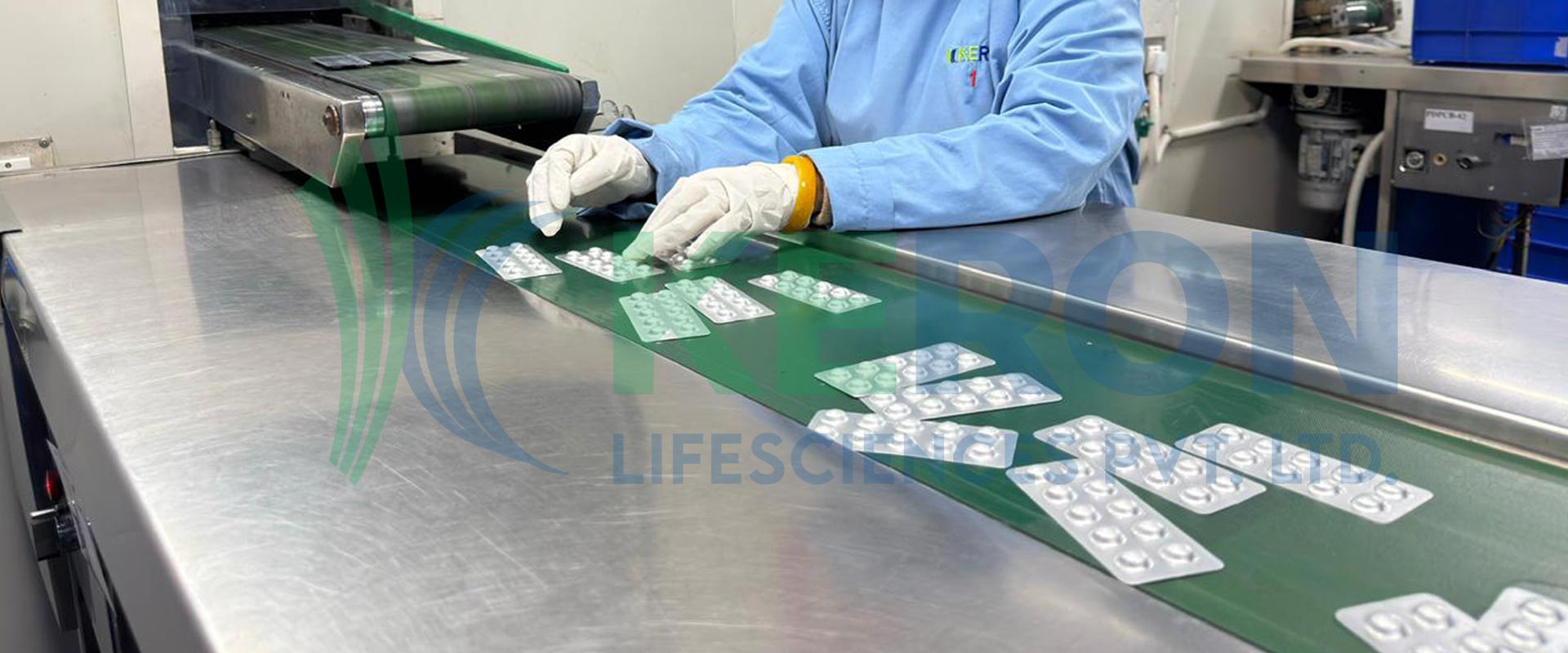
The Future of Pharmaceutical Manufacturing: How AI and Automation Are Transforming Drug Production in 2026
In recent years, the pharmaceutical industry has experienced rapid technological advancements that are reshaping traditional manufacturing processes. Artificial Intelligence (AI), machine learning, robotics, and smart automation systems are revolutionizing how medicines are researched, developed, tested, and produced.
As healthcare demands continue to increase globally, pharmaceutical companies are adopting advanced technologies to improve efficiency, ensure regulatory compliance, and maintain the highest quality standards. At Keron Lifesciences, innovation is integrated into every aspect of manufacturing operations. As one of the trusted pharmaceutical manufacturers in Dehradun, the company embraces modern technologies while maintaining rigorous Quality Assurance in Pharma practices and stringent quality standards.
The adoption of AI and automation is not merely about increasing production speed; it is about creating safer, more reliable, and more efficient pharmaceutical manufacturing systems capable of meeting future healthcare needs.
Understanding AI in Pharmaceutical Manufacturing
Artificial Intelligence has emerged as one of the most impactful technologies in the pharmaceutical sector. AI systems can process vast amounts of data, identify patterns, predict outcomes, and support decision-making processes that were previously time-consuming and complex.
In pharmaceutical manufacturing, AI supports:
- Predictive maintenance of equipment.
- Process optimization.
- Batch quality monitoring.
- Supply chain management.
- Research and development activities.
- Regulatory compliance management.
At Keron Lifesciences, technological advancements are viewed as a strategic investment that enhances manufacturing efficiency while supporting Quality Assurance in Pharma initiatives.
By integrating AI-driven systems, pharmaceutical manufacturers in Dehradun can reduce operational risks and improve manufacturing consistency across product categories.
How Automation Is Revolutionizing Drug Production
Automation has become a critical component of modern pharmaceutical manufacturing facilities. Automated systems reduce manual intervention, improve precision, and minimize the possibility of human error.
The benefits of automation include:
Automated Material Handling
Advanced automated systems transport raw materials and packaging components throughout manufacturing facilities while minimizing contamination risks.
Smart Production Equipment
Modern manufacturing machinery is equipped with sensors and monitoring technologies capable of tracking performance in real time.
These systems ensure:
- Accurate dosing.
- Consistent mixing.
- Uniform tablet compression.
- Precise capsule filling.
- Reliable packaging operations.
As one of the progressive pharmaceutical manufacturers in Dehradun, Keron Lifesciences continuously evaluates new technologies that improve manufacturing efficiency while maintaining strict quality controls.
Electronic Batch Records
Traditional paper-based documentation is gradually being replaced by electronic systems.
Electronic batch records provide:
- Better traceability.
- Faster review processes.
- Reduced documentation errors.
- Enhanced compliance.
These systems further strengthen Quality Assurance in Pharma by improving transparency and data integrity.
AI-Driven Quality Assurance in Pharma
Quality remains the foundation of pharmaceutical manufacturing. While production technologies continue to evolve, maintaining product quality remains a non-negotiable requirement.
AI significantly enhances Quality Assurance in Pharma through predictive monitoring and risk-based decision-making.
Predictive Quality Management
Artificial Intelligence can identify trends and detect deviations before they impact product quality.
This allows manufacturers to:
- Prevent manufacturing failures.
- Reduce product recalls.
- Improve batch consistency.
- Minimize waste.
At Keron Lifesciences, Quality Assurance in Pharma is focused on proactive quality management rather than reactive problem-solving.
Continuous Process Monitoring
AI systems continuously monitor critical manufacturing parameters such as:
- Temperature.
- Humidity.
- Pressure.
- Mixing speed.
- Production cycle performance.
Real-time monitoring ensures immediate corrective actions when deviations occur.
Enhanced Compliance Management
Regulatory agencies increasingly expect pharmaceutical manufacturers to maintain comprehensive documentation and quality records.
AI-assisted systems help Quality Assurance in Pharma teams:
- Review documentation faster.
- Detect compliance gaps.
- Improve audit readiness.
- Support regulatory inspections.
These capabilities enable Keron Lifesciences to maintain the highest quality standards expected from leading pharmaceutical manufacturers in Dehradun.
The Evolving Role of Quality Control in Pharmaceutical Industry
While AI improves process management, laboratory testing remains essential for product verification.
Quality Control in Pharmaceutical Industry continues to play a crucial role in ensuring product safety, purity, and effectiveness.
Modern QC laboratories now utilize advanced technologies such as:
- High Performance Liquid Chromatography (HPLC).
- Gas Chromatography (GC).
- UV Spectroscopy.
- Dissolution Testing.
- Microbiological Analysis.
These technologies generate highly accurate results while reducing testing turnaround times.
At Keron Lifesciences, Quality Control in Pharmaceutical Industry practices ensure that every batch undergoes comprehensive testing before release.
Real-Time Quality Monitoring
- In-process testing.
- Continuous quality monitoring.
- Faster deviation detection.
- Improved batch release decisions.
Benefits of AI and Automation in Pharmaceutical Manufacturing
The integration of advanced technologies provides several advantages for pharmaceutical companies.
Improved Product Quality
Automation minimizes variability and ensures consistent manufacturing outcomes.
Enhanced Patient Safety
AI systems identify potential quality risks before products reach consumers.
Reduced Operational Costs
Automated processes improve efficiency while reducing waste and production downtime.
Better Regulatory Compliance
Digital systems support comprehensive documentation and traceability requirements.
Faster Product Development
AI-powered analytics help accelerate formulation development and process optimization.
These benefits contribute significantly to the future competitiveness of pharmaceutical manufacturers in Dehradun and across India.
AI and Automation in Nutraceutical Manufacturing
- Accurate ingredient measurement.
- Consistent capsule filling.
- Enhanced product traceability.
- Improved inventory management.
- Better quality monitoring.
AI and Automation in Nutraceutical Manufacturing
The impact of AI extends beyond pharmaceutical products and is increasingly influencing the nutraceutical sector.
As one of the growing multivitamin capsules manufacturers in India, Keron Lifesciences recognizes the importance of precision and consistency in supplement manufacturing.
AI-powered systems help ensure:
- Accurate ingredient measurement.
- Consistent capsule filling.
- Enhanced product traceability.
- Improved inventory management.
- Better quality monitoring.
For multivitamin capsules manufacturers in India, advanced manufacturing technologies provide significant opportunities to improve product quality and operational efficiency.
The growing demand for wellness products has encouraged multivitamin capsules manufacturers in India to adopt pharmaceutical-grade quality standards.
Keron Lifesciences continues to invest in technologies that support both pharmaceutical and nutraceutical manufacturing excellence.
Challenges Associated with AI Adoption
Despite its benefits, implementing AI and automation presents certain challenges.
Initial Investment Requirements
Advanced technologies require substantial infrastructure investments and employee training programs.
Data Security
Protecting sensitive manufacturing and quality data remains a critical concern.
Regulatory Adaptation
Manufacturers must ensure that technological innovations remain compliant with evolving regulatory expectations.
However, the long-term benefits significantly outweigh these challenges, making digital transformation a strategic priority.
Keron Lifesciences: Driving Pharmaceutical Innovation
- Manufacturing excellence.
- Operational efficiency.
- Regulatory compliance.
- Product quality.
Conclusion
Artificial Intelligence and automation are transforming pharmaceutical manufacturing at an unprecedented pace. These technologies are improving efficiency, enhancing compliance, and strengthening product quality across the industry.
Through robust Quality Assurance in Pharma systems, advanced Quality Control in Pharmaceutical Industry practices, and continuous investment in innovation, Keron Lifesciences remains at the forefront of pharmaceutical manufacturing excellence.
As one of the leading pharmaceutical manufacturers in Dehradun and a trusted name among multivitamin capsules manufacturers in India, Keron Lifesciences is committed to delivering safe, effective, and high-quality healthcare solutions for domestic and international markets.